Editor’s note
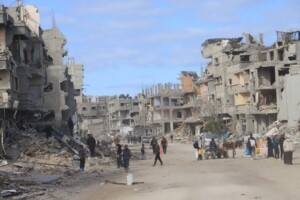
Founded on the principles of solidarity, impartiality, independence and selflessness since the early 1970s and the creation of the “sans frontières” movement, humanitarian aid agencies have built up their legitimacy as counterweights in the field of international relations through action on the ground, close to the people. What remains of these principles today, in a context of shifting global political balances, upheaval in relations between countries in the Global North and South, environmental crises and a proliferation of actors labelled as humanitarian, but with sometimes very different motives? How do they operate, how are they governed, what are their business models? What are the best strategies for adapting to the sometimes existential dilemmas and issues that threaten them, whether this is non-compliance with international humanitarian law, neo-liberal influence, environmental crises or the radical positions taken by populists, including in Europe? This is what this book addresses, providing updates to the complex issues facing humanitarians. The humanitarian movement has had to, and continues to have to, think critically about the way it operates and to reinvent itself to preserve its scope for action and legitimacy, and to limit the risks of being manipulated.
Jean-François Corty is President of the NGO Médecins du Monde. He is a doctor with a degree in political anthropology, and also a research associate at IRIS. A specialist in humanitarian action and health, social and environmental inequalities, he is the author of several books on the subject, including Profession solidaire, chroniques de l’accueil, and a film, Contrepoisons, un combat citoyen. He is a member of the Editorial Board of Humanitarian Alternatives.